Boosting your conversion rate is one of the fastest ways to grow revenue without spending more on ads. It turns the traffic you already have into paying customers.
Learning how to boost conversion rate is not about one big fix. It comes down to small, steady improvements across your site, from your product pages to your checkout.

This guide walks through practical strategies to enhance sales and improve conversion rate performance. You will find steps you can apply this week, not just theory.
Whether you run a Shopify store or manage an online store on another platform, these ideas will help you increase conversions and get more value from every visitor.
Let’s get into the strategies that actually move the needle on conversion optimisation.
Understanding Conversion Rates and Why They Matter
Your conversion rate shows how many visitors take the action you want, usually a purchase. A higher conversion rate means your site and offer are working well together.
Tracking this number helps you find where customers drop off and guides your next conversion strategies. It tells you how well your marketing, design, and checkout are performing as a whole.
Here is why conversion rates matter:
- Sales improvement: more conversions mean more revenue from the same traffic.
- Better ROI: a higher conversion rate stretches your marketing budget further.
- Clearer insight: watching this number shows you what your customers actually respond to.
Focusing on how to improve conversion rate metrics helps you boost sales without constantly chasing new visitors. Review this number regularly, since customer behavior shifts throughout the year.

Steady, consistent testing compounds into real conversion rate growth over time.
Analyzing Your Audience and Customer Journey
You cannot improve what you do not understand. Start by learning who visits your site and why. Demographic data and buyer personas help you shape decisions instead of guessing.
Mapping the customer journey shows how people actually move through your site, from the first visit to checkout. This path often reveals gaps you would otherwise miss.
Steps to understand your audience:
- Use analytics tools such as Google Analytics to see real behavior.
- Run short surveys to hear directly from customers.
- Review past purchase patterns to spot trends.
These insights show you which touchpoints need work and point you toward how to increase conversion rate in the areas that matter most. Australian eCommerce store owners often find that even small shifts, like adjusting for local shopping habits around EOFY sales or Click Frenzy, make a real difference.
Understanding your audience keeps your conversion strategies focused on the customers you actually have, not an assumed average.

Mapping each stage of the customer journey shows exactly where to focus your conversion efforts.
Optimizing Website Design and User Experience
Your website design has a direct effect on conversion rates. A clean, easy-to-follow layout keeps visitors on your site longer. Confusing navigation sends them straight to a competitor.
User experience should feel effortless. Visitors should find what they need in a few clicks. Pay attention to color, spacing, and font choices, since small details add up.
Design elements worth checking:
- Keep menu structures simple.
- Use consistent fonts and colors across every page.
- Test the site on both desktop and mobile.
Sharp, high-quality images help visitors trust what they are buying. Cut clutter wherever you can, since a busy page slows people down and hurts conversion.
A CRO agency can also evaluate these design and user experience elements to identify friction points, improve usability, and uncover opportunities to increase conversions.
Test your design regularly. What worked last year may not work now, especially as more shoppers browse on mobile first.

Streamlining the Checkout Process
A complicated checkout is one of the biggest reasons people abandon their cart. Every extra step is a chance for someone to change their mind. Simplifying checkout is one of the fastest ways to boost sales.
Cut the number of steps needed to complete a purchase. Remove form fields you do not truly need. Make each stage of checkout clear, so nobody has to guess what happens next. This matters even more if you are wondering how to boost conversion rate shopify specifically, since slow checkout apps and extra steps are common culprits on Shopify stores.
Ways to improve checkout:
- Offer guest checkout.
- Add a progress indicator so people know how many steps remain.
- Provide multiple payment options, including buy-now-pay-later choices shoppers already trust.
Show full pricing, including tax and shipping, before the final step. Hidden costs at checkout are one of the top reasons for lost sales. A transparent, smooth checkout builds trust and keeps customers coming back.
Crafting Compelling Calls to Action
A strong call to action can lift your conversion rate on its own. CTAs need to be clear, direct, and easy to spot. If visitors have to search for the next step, you have already lost some of them.
Use action words that tell people exactly what happens next. Phrases like “Buy Now” or “Get Started” work because they are direct. Place CTAs where visitors will naturally see them, not just at the bottom of the page.
Best practices for CTAs:
- Use a button color that contrasts with the rest of the page.
- Keep the text short and specific.
- Put at least one CTA above the fold.
Test different CTA wording and placement to see what fits your audience. Small changes here often improve conversion more than a full redesign.
Leveraging Social Proof and Building Trust
People trust other people more than they trust ads. Reviews and testimonials show real experiences with your product, which builds credibility fast.
Feature genuine customer stories on your site. Encourage buyers to leave reviews after purchase, and display the good ones prominently. Seeing others vouch for a product gives new visitors the confidence to buy.
Types of social proof worth using:
- Customer testimonials
- Product reviews
- Influencer endorsements
- User-generated content

Trust also comes from transparency. Clear policies, honest FAQs, and consistent branding all support the same goal. A trustworthy site naturally improves conversion rates over time.
Personalization and Segmentation Strategies
Personalization adjusts the shopping experience to fit each visitor. Done well, it can noticeably optimize conversions without asking more from your team.
Segment your audience into groups based on behavior or interest. Understanding what each group wants lets you speak to them more directly, instead of using one generic message for everyone.
Ways to apply this:
- Show customized product suggestions based on browsing history.
- Send personalized email campaigns to different segments.
- Run targeted ads based on past behavior.
Segmentation keeps your marketing focused on what each customer group actually cares about. Over time, this kind of personalization builds loyalty as well as conversions.
Mobile Optimization and Page Speed
Mobile shopping keeps growing, and many shoppers now browse and buy entirely on their phone. Your site needs to adjust cleanly to every screen size, not just look “okay” on mobile.
Slow-loading pages push visitors away before they even see your offer. A faster site keeps people engaged and helps maximize conversions across every device.
Key actions to take:
- Compress and resize images.
- Reduce server response times.
- Turn on browser caching.
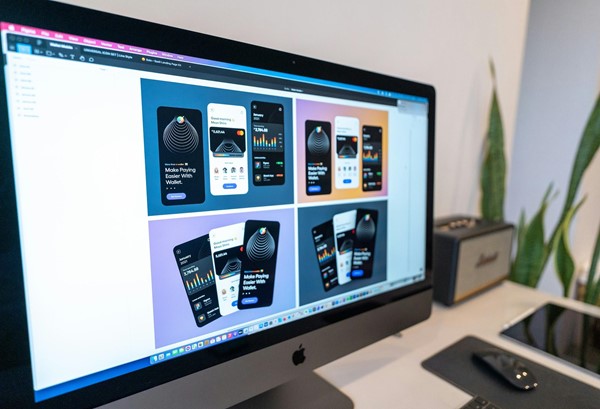
Checking your store on real devices, not just a desktop preview, catches mobile issues before customers do.
A fast, mobile-friendly site is no longer optional. It is one of the simplest ways to protect the conversions you are already earning.
A/B Testing and Continuous Experimentation
A/B testing shows you what actually works, rather than what you assume works. It compares two versions of a page to see which one performs better with real visitors.
Treat testing as an ongoing habit, not a one-off project. Regular tests reveal small wins you would otherwise miss, and they add up over time.
Elements worth testing:
- Landing page layouts
- Button colors and sizes
- Copywriting styles and headlines
Consistent testing is one of the most reliable ways to learn how to increase conversion, since it removes guesswork from your decisions.
Enhancing Product Pages for Maximum Impact
Your product pages carry most of the weight when it comes to sales. A well-built page can lift conversion rate on its own, without any extra traffic. Start with high-quality images that show the product clearly from multiple angles.
Write descriptions that are clear and specific. Focus on benefits, not just features. Use bullet points so visitors can scan the page quickly and still get the full picture.
Elements to focus on:
- High-resolution images
- Clear, benefit-led product descriptions
- Upfront pricing information

A strong product page can turn a hesitant browser into a buyer. Review your pages regularly and update them based on customer feedback and analytics, since this drives steady sales improvement.
Using Email Marketing and Retargeting to Increase Conversions
Email marketing still delivers strong results because it reaches people directly. A good subject line is what gets the email opened in the first place, so it is worth the extra time.
Retargeting keeps your brand visible to people who showed interest but did not buy. It reminds them of the product they looked at, which often brings them back to complete the purchase.
Key strategies to use:
- Personalized email campaigns
- Dynamic retargeting ads
- Segmented email lists
Both tactics nurture leads who are already familiar with your brand. Together, they can meaningfully increase conversions when you review their performance regularly.
Creating Urgency and Scarcity to Drive Action
A sense of urgency pushes hesitant shoppers to decide faster. Limited-time offers give people a reason to act now instead of putting the purchase off.
Scarcity works alongside urgency. A simple “only 3 left in stock” message can be enough to move someone from browsing to buying, since nobody wants to miss out.
Tactics worth using:
- Flash sales
- Countdown timers
- Low stock notifications
Used honestly, these tactics encourage faster decisions and help stop products from sitting unsold in a cart.
Offering Incentives: Free Shipping, Discounts, and Loyalty Programs
The right incentive can be the final push someone needs to complete a purchase. Free shipping removes one of the most common objections at checkout, since unexpected shipping costs are a major reason carts get abandoned.
Discounts and loyalty programs give customers a reason to come back. These incentives build repeat business and enhance sales over the long run, not just on the first purchase.
Incentives worth testing:
- Free shipping over a set order value
- Discounts for newsletter subscribers
- Points-based loyalty programs
These small additions often lead to stronger engagement and a better conversion rate across your whole store.
Measuring, Analyzing, and Adapting Your Conversion Strategies
None of these conversion strategies work well without regular measurement. Tracking your data shows what is actually driving results, not just what you think is working.
Tools worth using:
- Google Analytics for tracking visitor behavior
- Heatmaps to see how people interact with each page
- A/B testing tools to compare changes
Reviewing this data regularly helps you spot what needs attention and keeps your strategy grounded in real numbers, not guesswork.
Conclusion: Key Takeaways and Next Steps
Boosting conversion rates is not a one-time project. It takes a steady, test-and-adjust approach, applied consistently over time. Each strategy here plays its own part in optimizing conversions.
Start by reviewing your current setup and picking the areas with the biggest gaps. Make changes gradually, and measure the impact of each one before moving to the next.
Keep reviewing your results as customer behavior and market conditions shift. Staying consistent with these conversion tips is what leads to lasting growth, not just a short-term bump in sales.
How to Boost Conversion Rate: FAQ Guide
Frequently Asked Questions on Conversion Optimization
These FAQs cover how to boost conversion rate with simple, practical steps.
What should I fix first to lift conversions fast?
Start with your biggest friction points. Fix the checkout flow and your main CTAs first. Let people check out as a guest, cut unnecessary form fields, and add a clear progress indicator. Make CTA buttons easy to spot with short, direct text and strong color contrast. These changes usually bring fast wins before you touch any bigger design work.
How can I find the parts of my site that hurt conversions?
Use data and direct feedback together. Check Google Analytics for where people drop out of your funnel, then use heatmaps to see where they pause or skip sections. Map the customer journey to find weak points, run short surveys to ask why people leave, and A/B test any fix before rolling it out fully.
What should every product page include?
Strong images, clear benefit-led copy, and honest pricing. Add reviews, FAQs, and policy details to build trust. Keep the layout clean and scannable with bullet points and short paragraphs. This supports conversion optimization without overwhelming the visitor.
When should I use personal offers instead of broad fixes?
Use personalization once you have enough customer data to work with. Tailor offers for returning visitors, email subscribers, and past buyers, and retarget people who showed interest but did not buy. Keep improving the broad fixes too, like mobile design, page speed, and layout, since these lift conversion for every visitor, not just a segment.
How do I keep improving after the first wins?
Keep testing. Run A/B tests on headlines, layouts, copy, and button styles, and adjust as customer behavior changes. Keep your mobile pages fast, refresh your social proof regularly, and test incentives like free shipping or loyalty perks. Revisiting your customer journey map often keeps you finding new conversion tips and sales improvement opportunities.